Birth Control Pills: Understanding Usage and Common Effects
For decades, birth control pills have revolutionized women's reproductive health, offering a reliable and accessible method of contraception. Beyond preventing pregnancy, these hormonal medications are also prescribed to manage various conditions, including irregular periods, severe menstrual cramps, endometriosis, and acne. However, like any medication, understanding their usage, potential side effects, and how they interact with your overall health is crucial for making informed decisions. This article delves into the world of birth control pills, exploring their mechanisms, common effects, and emphasizing the broader context of women's hormonal well-being.
What Are Birth Control Pills and How Do They Work?
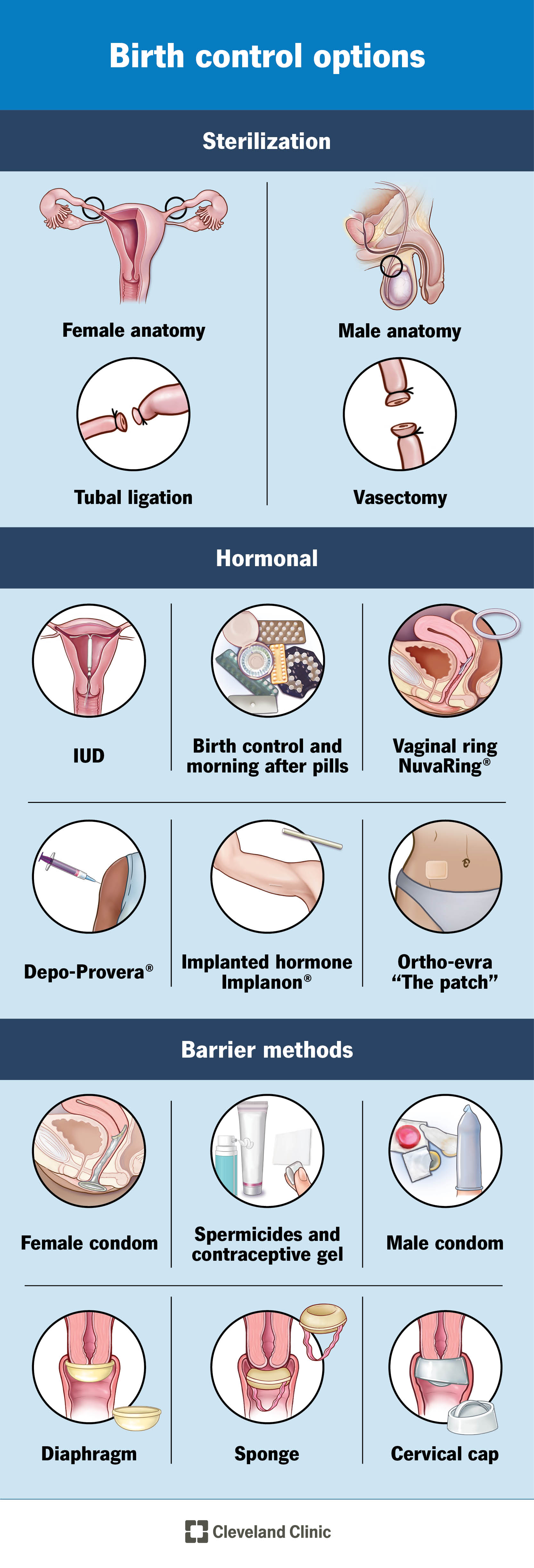
Birth control pills are oral contraceptives that primarily work by regulating hormone levels in the body. They come in two main types:
- Combined Oral Contraceptives (COCs): These pills contain both estrogen and progestin. They work by:
- Suppressing ovulation, preventing the ovaries from releasing an egg.
- Thickening cervical mucus, making it difficult for sperm to reach an egg.
- Thinning the uterine lining, making it less receptive to a fertilized egg.
- Progestin-Only Pills (POPs) – often called the "mini-pill": These pills contain only progestin. They primarily work by:
- Thickening cervical mucus.
- Thinning the uterine lining.
- In some cases, they may also suppress ovulation, though less consistently than COCs.
The choice between COCs and POPs often depends on individual health factors, such as age, smoking status, and specific medical conditions. For instance, women who cannot take estrogen due to certain health risks might be prescribed a mini-pill.
Navigating the Common Effects of Birth Control Pills
When starting birth control pills, many women experience a range of side effects as their body adjusts to the new hormone levels. It's important to remember that these effects are often temporary and tend to subside within the first few months. Common side effects can include:
- Spotting or Breakthrough Bleeding: This is very common in the initial months and usually resolves.
- Nausea: Often mild and can be mitigated by taking the pill with food or before bed.
- Breast Tenderness: Hormonal changes can lead to increased sensitivity.
- Mood Changes: Some women report mood swings, irritability, or depressive symptoms. This is a complex area, and individual responses vary greatly.
- Weight Fluctuations: While often cited, scientific evidence for significant weight gain directly attributable to modern birth control pills is limited. Any changes are typically minor and often temporary, or related to fluid retention.
- Changes in Libido: Both an increase and decrease in sex drive have been reported.
- Headaches: Can be new or changes in existing headache patterns.
While most side effects are mild, it's crucial to be aware of more serious, though rare, risks such as blood clots (especially with COCs), stroke, or heart attack. Discussing your full medical history with your doctor is essential to assess your individual risk factors.
The Broader Picture: Hormonal Health Beyond Contraception
While birth control pills are effective in managing reproductive hormones, they are just one piece of the complex puzzle of women's overall hormonal health. It's vital to recognize that many symptoms women experience—such as fatigue, mood changes, weight fluctuations, or irregular menstrual cycles—can be influenced by multiple factors, not just contraception.
This is where understanding conditions like Hypothyroidism: A Cause for Elevated Prolactin Levels? becomes particularly relevant. The reference context highlights that conditions like hypothyroidism can lead to elevated prolactin levels, which in turn can affect menstrual cycles and overall hormonal balance. For instance, some of the symptoms commonly associated with adjusting to birth control pills, such as fatigue, changes in weight, or mood disturbances, can also be prominent symptoms of an underactive thyroid. This overlap underscores the importance of a comprehensive health assessment, especially when symptoms persist or are particularly bothersome.
When considering Tiroides Síntomas En Mujeres (Thyroid Symptoms in Women), it's important to recognize that an imbalanced thyroid can manifest in various ways that might sometimes be mistaken for other issues or side effects of medications like birth control. These symptoms can include:
- Persistent fatigue and lack of energy
- Unexplained weight gain or difficulty losing weight
- Increased sensitivity to cold
- Constipation
- Dry skin and hair loss
- Muscle aches and weakness
- Heavy or irregular menstrual periods
- Mood changes, including depression and irritability
- Memory problems or "brain fog"
If you are experiencing any of these symptoms, particularly if they predate starting birth control or persist despite several months of usage, it's crucial to discuss them with your healthcare provider. They can conduct appropriate tests to rule out underlying conditions like thyroid disorders, ensuring that you receive the correct diagnosis and treatment. Never assume all symptoms are merely "side effects" of your birth control without medical evaluation.
Practical Usage and Important Considerations
To maximize the effectiveness of birth control pills and minimize potential risks, proper usage is paramount:
- Take Your Pill Consistently: The most critical rule is to take your pill at the same time every day. This consistency maintains steady hormone levels, which is vital for preventing pregnancy.
- What to Do if You Miss a Pill: Instructions vary based on the type of pill and how many doses were missed. Always refer to your pill's package insert or consult your pharmacist or doctor immediately. Forgetting pills, especially combined pills, can reduce effectiveness and lead to breakthrough bleeding.
- Interactions with Other Medications: Certain medications and supplements can reduce the effectiveness of birth control pills. These include some antibiotics, anticonvulsants, St. John's Wort, and antifungals. Always inform your doctor and pharmacist about all medications and supplements you are taking.
- Regular Check-ups: Annual gynecological check-ups are essential to monitor your overall health, discuss any concerns, and review your contraceptive method. This provides an opportunity to reassess whether your chosen birth control is still the best option for you, especially as your health status or lifestyle changes.
- Recognizing Warning Signs: Be aware of severe symptoms that warrant immediate medical attention, such as sudden severe headaches, chest pain, shortness of breath, severe leg pain (possible blood clot), or sudden vision changes.
Understanding the nuances of your body and staying attuned to its signals is key. If you find yourself grappling with symptoms like anxiety, rapid heart rate, or feelings of unreality, it's also worth noting that such experiences can sometimes escalate into Panic Attacks: Essential Insights and What You Should Know. While not directly related to birth control pills, overall well-being and stress management are vital aspects of women's health that shouldn't be overlooked.
Conclusion
Birth control pills offer a highly effective and versatile method of contraception and hormonal management for countless women. While understanding their usage and common side effects is crucial, it's equally important to adopt a holistic view of your health. Be proactive in discussing any persistent or concerning symptoms with your healthcare provider, ensuring that underlying conditions such as thyroid imbalances are not overlooked. By staying informed and working closely with medical professionals, women can confidently navigate their contraceptive choices while prioritizing their complete well-being.