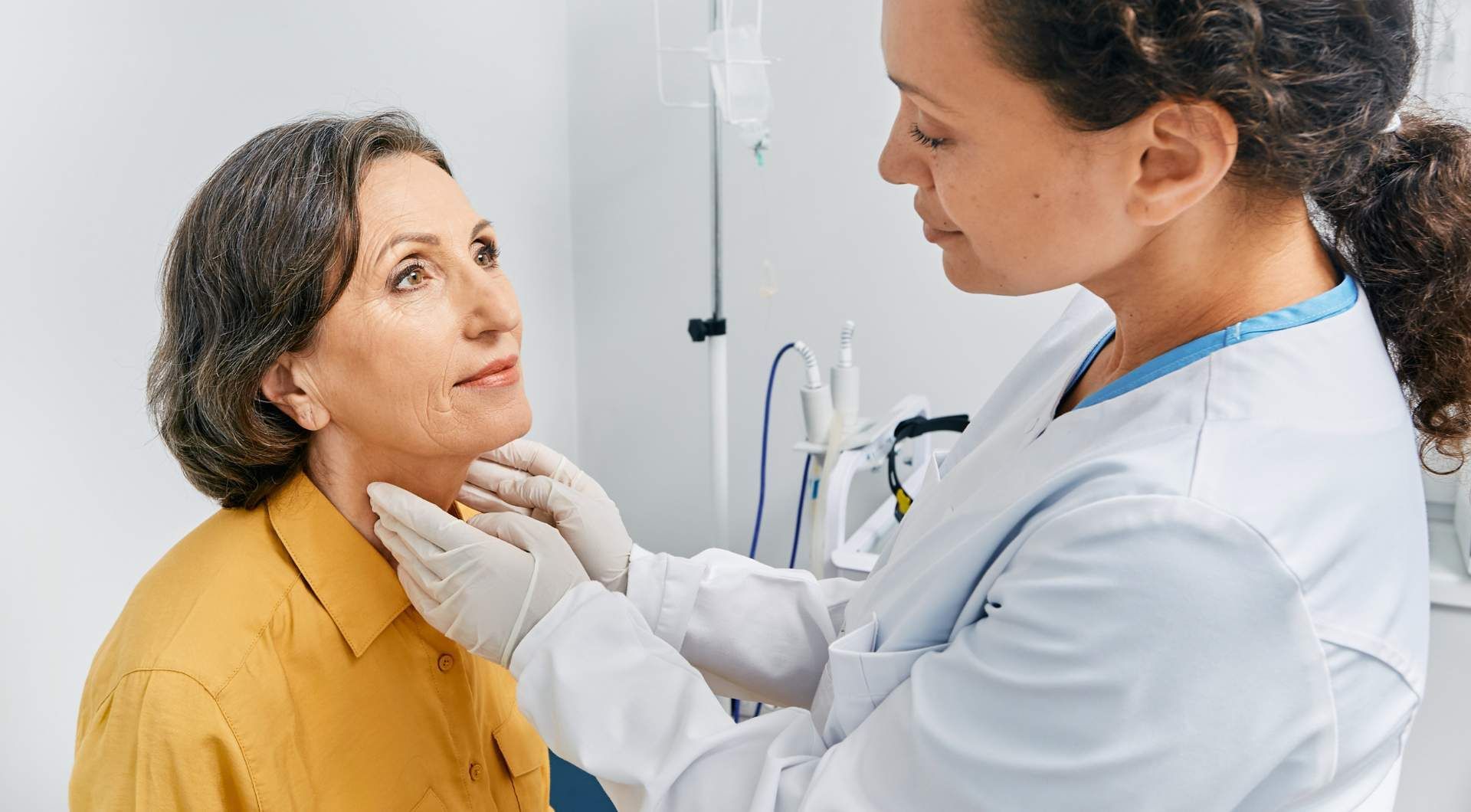
Understanding the Link: Hypothyroidism and Elevated Prolactin Levels
In the complex symphony of our endocrine system, hormones play crucial roles, influencing everything from our metabolism to our mood. When one hormone goes awry, it can trigger a cascade of imbalances throughout the body. A fascinating and often overlooked connection exists between thyroid function and prolactin levels, particularly the impact of an underactive thyroid (hypothyroidism) on elevating prolactin.
For many, symptoms like fatigue, unexplained weight gain, and mood changes might point directly to a thyroid issue. And indeed, for those investigating Tiroides Síntomas En Mujeres (Thyroid Symptoms in Women), these are very common concerns. But what if these symptoms are intertwined with another hormonal imbalance, such as high prolactin?
Elevated prolactin, a condition known as hyperprolactinemia, is most commonly associated with a prolactinoma, a benign tumor of the pituitary gland. However, as medical science continues to unravel the intricacies of our bodies, it's clear that other underlying conditions, including hypothyroidism, can also be significant culprits. This article delves into the intriguing relationship between your thyroid health and prolactin levels, offering insights into diagnosis, management, and what to do if you suspect you're affected.
Hypothyroidism: A Common Challenge, Especially for Women
Hypothyroidism occurs when the thyroid gland doesn't produce enough thyroid hormones. These hormones are essential for regulating metabolism, energy levels, body temperature, and even heart rate. When thyroid hormone production dips, the body's processes slow down, leading to a wide array of symptoms.
While hypothyroidism can affect anyone, it is disproportionately common in women, making the search for Tiroides Síntomas En Mujeres a frequent one. Women are five to eight times more likely than men to develop thyroid problems, and the risk increases with age and during certain life stages like pregnancy or menopause. Recognizing these symptoms is the first step towards diagnosis and treatment.
Common Symptoms of Hypothyroidism (often more pronounced or recognized in women):
- Persistent Fatigue: Feeling constantly tired, even after adequate sleep.
- Unexplained Weight Gain: Difficulty losing weight, or gaining weight despite no changes in diet or exercise.
- Increased Sensitivity to Cold: Feeling cold even in warm environments.
- Constipation: A sluggish digestive system.
- Dry Skin and Hair Loss: Skin becoming dry and flaky, and hair thinning or falling out.
- Muscle Weakness and Aches: Generalized body pain and muscle cramps.
- Mood Changes: Depression, irritability, and difficulty concentrating.
- Menstrual Irregularities: Heavier or irregular periods.
- Goiter: A visible swelling at the base of the neck due to an enlarged thyroid gland.
These symptoms, while common, can often be vague or mimic other conditions, making early diagnosis challenging. This highlights the importance of regular check-ups and open communication with your healthcare provider, especially if you have a family history of thyroid disorders.
The Prolactin Connection: How Hypothyroidism Impacts Prolactin Levels
Prolactin is a hormone primarily known for its role in milk production (lactation) after childbirth. It's produced by the pituitary gland, a small gland located at the base of the brain. While high prolactin levels are most often associated with a pituitary tumor called a prolactinoma, they can also be a direct consequence of an underactive thyroid.
Here's the scientific explanation: When thyroid hormone levels are low, the hypothalamus (a part of the brain that regulates many bodily functions) releases more Thyrotropin-Releasing Hormone (TRH). TRH's primary role is to stimulate the pituitary gland to produce Thyroid-Stimulating Hormone (TSH), which, in turn, tells the thyroid to make more thyroid hormones. However, TRH also has a secondary effect: it stimulates the pituitary gland to produce prolactin.
Therefore, in cases of severe or prolonged hypothyroidism, the sustained elevation of TRH can lead to an overstimulation of prolactin-producing cells in the pituitary, resulting in hyperprolactinemia. This creates a fascinating example of how interconnected our endocrine system truly is.
Symptoms of Elevated Prolactin (Hyperprolactinemia):
- Galactorrhea: Spontaneous milky nipple discharge, unrelated to childbirth or breastfeeding (can occur in both men and women).
- Menstrual Irregularities: Irregular or absent periods (amenorrhea) in women.
- Infertility: Difficulty conceiving.
- Loss of Libido: Decreased sex drive.
- Erectile Dysfunction: In men.
- Headaches and Vision Problems: If the prolactinoma is large enough to press on surrounding structures.
Given the overlap in some symptoms (like menstrual irregularities or mood changes), it's crucial for doctors to consider the thyroid-prolactin link when evaluating these conditions.
Beyond Hypothyroidism: Other Causes of Elevated Prolactin
While hypothyroidism is a significant cause of hyperprolactinemia that should not be overlooked, it's essential to understand that it's not the only one. A thorough diagnostic process is critical to identify the root cause, as treatment strategies will vary.
As highlighted by medical understanding, "Aunque los niveles plasmáticos de prolactina elevada son muy sugestivos de un prolactinoma, otras causas de hiperprolactemia como hipotiroidismo, enfermedad de Cushing, medicamentos, se deben descartar." (Although elevated plasma prolactin levels are very suggestive of a prolactinoma, other causes of hyperprolactinemia such as hypothyroidism, Cushing's disease, and medications should be ruled out.)
Other potential causes include:
- Prolactinoma: A benign tumor of the pituitary gland that produces excessive prolactin. This is the most common cause.
- Medications: Certain drugs can interfere with dopamine's ability to suppress prolactin production. These include:
- Antipsychotics (e.g., risperidone, haloperidol)
- Antidepressants (e.g., tricyclic antidepressants, SSRIs)
- Opioids
- Certain blood pressure medications (e.g., verapamil)
- Hormonal medications, such as some types of Birth Control Pills: Understanding Usage and Common Effects, can sometimes influence hormonal balance, though their direct link to significant hyperprolactinemia is less common than other drug classes.
- Medications for gastric reflux (e.g., metoclopramide)
- Cushing's Disease: A condition caused by prolonged exposure to high levels of cortisol, often due to a pituitary tumor.
- Kidney Disease: Impaired kidney function can reduce the clearance of prolactin from the body.
- Liver Disease: Similar to kidney disease, liver dysfunction can impact hormone metabolism and clearance.
- Stress: Chronic stress can sometimes lead to temporary elevations in prolactin. Interestingly, high levels of stress can also trigger Panic Attacks: Essential Insights and What You Should Know, sometimes compounding symptoms that might initially be mistaken for hormonal imbalances alone.
Given this diverse range of causes, it's crucial for healthcare providers to perform a comprehensive evaluation, including blood tests and potentially imaging studies, to pinpoint the exact reason for elevated prolactin.
Diagnosing and Managing Hyperprolactinemia and Hypothyroidism
The diagnostic process typically begins with a detailed medical history and physical examination. If hypothyroidism is suspected, blood tests will measure levels of TSH (Thyroid-Stimulating Hormone) and free T4 (thyroxine). High TSH and low free T4 indicate primary hypothyroidism.
If elevated prolactin is suspected, a simple blood test will measure prolactin levels. If prolactin is high, your doctor will likely also test TSH and free T4 to rule out hypothyroidism as a cause. If thyroid function is normal, further investigation, such as an MRI of the pituitary gland, may be necessary to check for a prolactinoma or other pituitary issues.
Treatment strategies are highly dependent on the underlying cause:
- For Hypothyroidism-Induced Hyperprolactinemia: The primary treatment involves thyroid hormone replacement therapy, typically with levothyroxine. As thyroid hormone levels normalize, the TRH levels will decrease, and prolactin levels usually return to normal without further intervention. This is a crucial distinction, as treating the thyroid issue often resolves the prolactin issue simultaneously.
- For Prolactinoma: Treatment often involves dopamine agonists (medications like bromocriptine or cabergoline) that shrink the tumor and reduce prolactin levels. In some cases, surgery or radiation may be considered.
- For Medication-Induced Hyperprolactinemia: The doctor may recommend adjusting the dosage or switching to an alternative medication, if possible. This should always be done under medical supervision.
- For Other Causes: Treatment will focus on managing the underlying condition, such as Cushing's disease or kidney/liver issues.
It’s important to remember that managing these conditions is often a long-term journey. Regular monitoring of hormone levels and symptoms is essential to ensure treatment effectiveness and make any necessary adjustments.
Practical Tips and Actionable Advice
Empowering yourself with knowledge and taking proactive steps can significantly improve your quality of life when dealing with hormonal imbalances:
- Don't Self-Diagnose: Many symptoms overlap. Always consult a healthcare professional for accurate diagnosis and a personalized treatment plan.
- Be Prepared for Your Appointment: Keep a detailed log of your symptoms, including when they started, their severity, and any patterns you notice. List all medications and supplements you are currently taking.
- Advocate for Yourself: If you feel your concerns are not being adequately addressed, seek a second opinion. Don't hesitate to ask for specific tests if you have reason to believe they are relevant (e.g., TSH, free T4, prolactin).
- Understand Your Medications: Know the purpose, dosage, and potential side effects of all your prescribed medications. Discuss any concerns with your pharmacist or doctor.
- Adopt a Healthy Lifestyle: While not a cure, a balanced diet, regular exercise, adequate sleep, and stress management can support overall endocrine health and improve symptom management. Consider mindfulness practices to help manage stress, which can also influence conditions like Panic Attacks: Essential Insights and What You Should Know.
- Regular Follow-ups: Adhere to your doctor's recommendations for follow-up appointments and blood tests to monitor your hormone levels and adjust treatment as needed.
Conclusion
The intricate connection between hypothyroidism and elevated prolactin levels serves as a powerful reminder of how interconnected our bodily systems are. For women, in particular, understanding the spectrum of Tiroides Síntomas En Mujeres and how they might relate to other hormonal imbalances is crucial for early detection and effective management. While a prolactinoma is a common cause of hyperprolactinemia, never overlook the thyroid as a potential culprit. By collaborating with healthcare professionals, undergoing thorough diagnostic testing, and adhering to appropriate treatment plans, individuals can effectively manage both hypothyroidism and hyperprolactinemia, leading to improved health and well-being. Your journey to hormonal balance starts with awareness and proactive care.