Panic attacks are sudden, intense surges of fear that can strike without warning, leaving individuals feeling overwhelmed, out of control, and even convinced they are having a heart attack or dying. These episodes are not merely moments of stress; they are a distinct and often debilitating experience characterized by a constellation of frightening physical and psychological symptoms. Understanding panic attacks is the first crucial step toward managing them and reclaiming a sense of stability in one's life. This comprehensive guide will delve into what panic attacks entail, explore their potential triggers, offer practical coping strategies, and underscore the importance of professional insight, including ruling out underlying medical conditions that might mimic or contribute to these distressing episodes.
Understanding Panic Attacks: What They Are and How They Feel
A panic attack is an abrupt surge of intense fear or discomfort that reaches a peak within minutes, during which time four or more of a list of specific physical and cognitive symptoms occur. These attacks can be terrifying, not just because of their intensity, but also due to their unpredictable nature and the physical sensations that often accompany them, which can be mistaken for a serious medical emergency.
The Terrifying Onslaught: Common Symptoms
The symptoms of a panic attack are varied and can manifest differently for each individual, but they typically include a mix of the following:
- Cardiovascular Symptoms:
- Pounding heart, palpitations, or a racing heart rate.
- Chest pain or discomfort.
- Sensation of shortness of breath or smothering.
- Dizziness, lightheadedness, or faintness.
- Autonomic Nervous System Responses:
- Sweating.
- Trembling or shaking.
- Chills or hot flashes.
- Nausea or abdominal distress.
- Numbness or tingling sensations (paresthesias).
- Cognitive and Psychological Symptoms:
- Intense fear of losing control or "going crazy."
- Fear of dying.
- Feelings of unreality (derealization) or being detached from oneself (depersonalization).
- Intense urge to escape.
These symptoms can be so alarming that many people experiencing their first panic attack end up in an emergency room, believing they are experiencing a heart attack or another life-threatening condition. While it's always wise to rule out medical emergencies, recognizing the pattern of a panic attack can help in seeking appropriate mental health support.
Differentiating Panic Attacks from Anxiety Attacks
While often used interchangeably, panic attacks and anxiety attacks have distinct characteristics. Anxiety attacks typically involve a gradual build-up of worry, dread, and apprehension over a period, often linked to a specific stressor. Panic attacks, however, are characterized by their sudden onset and intense peak within minutes, often appearing "out of the blue" without an obvious trigger. Understanding this distinction can be helpful for both self-assessment and communicating with healthcare providers.
Unpacking the Causes and Triggers of Panic Attacks
The exact cause of panic attacks is not fully understood, but it's generally believed to be a complex interplay of genetic predisposition, brain chemistry, temperament, and life experiences. Identifying potential triggers can be a crucial step in managing and preventing future episodes.
Psychological and Environmental Factors
Several factors can increase one's vulnerability to panic attacks:
- Stress: Chronic stress, major life transitions, or significant stressors (e.g., job loss, divorce, bereavement) can heighten anxiety levels and trigger panic.
- Trauma: Past traumatic experiences, especially those involving feelings of helplessness or danger, can predispose individuals to panic.
- Phobias: Specific phobias can evolve into panic attacks when exposed to the feared object or situation.
- Substance Use: Stimulants like caffeine, nicotine, and certain illicit drugs can exacerbate anxiety and induce panic. Withdrawal from substances can also trigger attacks.
- Mental Health Conditions: Panic attacks are often associated with other anxiety disorders, depression, and post-traumatic stress disorder (PTSD).
The Role of Biological and Hormonal Influences: A Closer Look at Thyroid Health
Beyond psychological and environmental factors, physiological elements play a significant role. The body's "fight or flight" response can be hyperactive in individuals prone to panic attacks, leading to an overreaction to perceived threats. Furthermore, hormonal imbalances and other medical conditions can profoundly influence mental well-being and even mimic or exacerbate anxiety and panic-like symptoms. It's especially vital for women to be aware of how their hormonal health can impact their mental state.
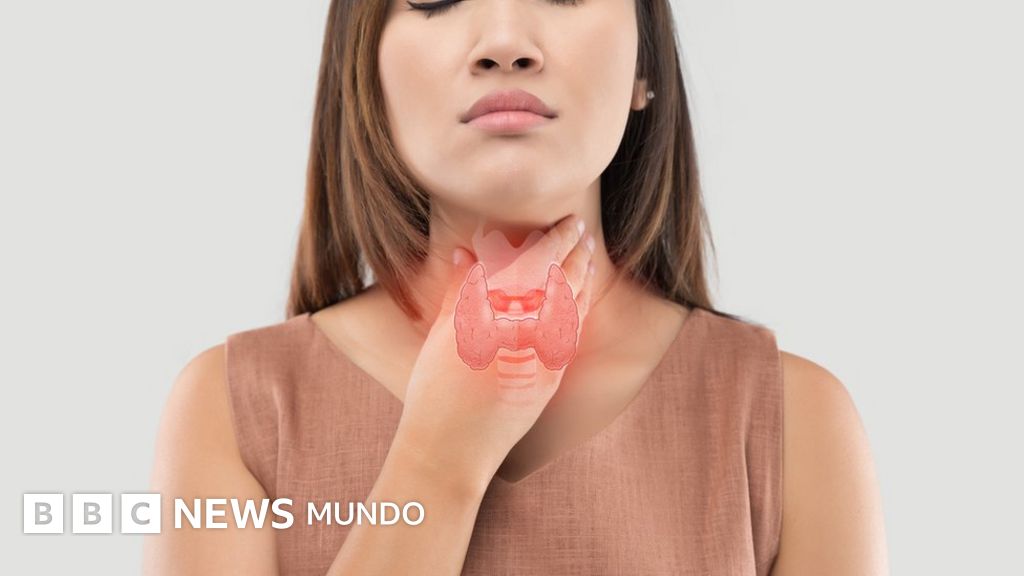
For instance, an often-overlooked area that can contribute to symptoms resembling anxiety or panic is thyroid dysfunction. The thyroid gland produces hormones that regulate metabolism, energy levels, mood, and heart function. When the thyroid gland isn't functioning correctly, it can lead to a cascade of symptoms that can be profoundly unsettling. Specifically, when we discuss Tiroides Síntomas En Mujeres (Thyroid Symptoms in Women), we find a range of issues that can overlap with anxiety or panic disorder:
- Hypothyroidism (Underactive Thyroid): While often associated with fatigue and weight gain, hypothyroidism can also cause depression, mood swings, impaired concentration, and even feelings of intense anxiety. The slowed metabolism can affect neurotransmitter balance, impacting mood regulation.
- Hyperthyroidism (Overactive Thyroid): This condition can directly cause symptoms that feel like a constant state of panic: rapid heart rate, tremors, nervousness, irritability, restlessness, insomnia, and heat intolerance. The body is in a hyper-metabolic state, which can feel like an ongoing panic attack.
Understanding Tiroides Síntomas En Mujeres is particularly important because women are significantly more likely than men to develop thyroid problems. Common indicators can include:
- Changes in menstrual cycles (irregular or heavy periods).
- Weight changes (unexplained gain or loss).
- Hair loss or thinning.
- Persistent fatigue and low energy.
- Increased sensitivity to cold or heat.
- Muscle weakness and aches.
- Memory problems or "brain fog."
- Mood disturbances like depression, irritability, or heightened anxiety.
It's also worth noting that elevated prolactin levels (hyperprolactinemia), which can sometimes be a cause of menstrual irregularities and other issues, can also be linked to underlying conditions like hypothyroidism. As research suggests, "other causes of hyperprolactinemia like hypothyroidism... should be ruled out." This underscores the critical importance of a thorough medical evaluation, including thyroid function tests, when experiencing persistent anxiety or panic-like symptoms, especially if accompanied by other general health changes.
Navigating a Panic Attack: Immediate Coping Strategies
When a panic attack strikes, feeling helpless is common. However, there are immediate strategies you can employ to help regain a sense of control and lessen the intensity of the episode.
- Grounding Techniques: Engage your senses to pull yourself back into the present moment. Try the "5-4-3-2-1" method: Name 5 things you can see, 4 things you can touch, 3 things you can hear, 2 things you can smell, and 1 thing you can taste.
- Breathing Exercises: Hyperventilation can intensify panic. Focus on slow, deep breathing. Inhale slowly through your nose for 4 counts, hold for 1 count, and exhale slowly through your mouth for 6 counts. Repeat several times. This helps to regulate your nervous system.
- Mindfulness and Self-Compassion: Acknowledge the panic without judgment. Remind yourself that it's a temporary feeling and will pass. "This is a panic attack, it's uncomfortable, but it's not dangerous, and it will end."
- Movement: If possible, engage in gentle movement like walking. Physical activity can help release tension and provide a healthy distraction.
Long-Term Management and Seeking Professional Help
While immediate coping strategies are vital, long-term management involves addressing the root causes and developing sustainable resilience. This often requires professional intervention.
Therapeutic Approaches: CBT and Exposure Therapy
Cognitive Behavioral Therapy (CBT) is highly effective for panic disorder. It helps individuals identify and challenge negative thought patterns and behaviors that contribute to panic. Exposure therapy, a component of CBT, gradually exposes individuals to feared situations or physical sensations associated with panic, helping them learn that these are not actually dangerous.
Medication Options and Considerations
In some cases, medication may be prescribed to manage symptoms, often in conjunction with therapy. Antidepressants (SSRIs, SNRIs) are common first-line treatments, and benzodiazepines may be used for short-term relief during acute attacks. When discussing medication options with your doctor, be sure to provide a comprehensive medical history, including any other prescriptions like Birth Control Pills: Understanding Usage and Common Effects, as these can influence treatment decisions and overall hormonal balance. This holistic approach ensures treatments are tailored and safe for your unique physiological profile.
Lifestyle Adjustments for Prevention
Beyond therapy and medication, certain lifestyle changes can significantly reduce the frequency and intensity of panic attacks:
- Regular Exercise: Physical activity is a natural stress reducer and can help regulate mood.
- Balanced Diet: Avoid excessive caffeine and sugar, which can trigger anxiety in some individuals.
- Adequate Sleep: Prioritize 7-9 hours of quality sleep per night.
- Stress Management Techniques: Incorporate practices like yoga, meditation, or deep breathing into your daily routine.
- Avoid Triggers: Learn to identify and, where possible, avoid personal triggers.
The Importance of a Comprehensive Medical Evaluation
Before settling on a diagnosis of panic disorder, it's paramount to undergo a thorough medical evaluation. As highlighted, conditions like thyroid dysfunction, specifically the Tiroides Síntomas En Mujeres and its potential for influencing prolactin levels as discussed in Hypothyroidism: A Cause for Elevated Prolactin Levels?, or other hormonal imbalances, can present with symptoms remarkably similar to panic attacks or worsen existing anxiety. A doctor can perform blood tests and other diagnostic procedures to rule out physical health problems that might be masquerading as psychological distress. Addressing an underlying medical condition can sometimes resolve or significantly alleviate panic symptoms.
Panic attacks, while frightening, are highly treatable. By understanding their nature, identifying potential triggers including physiological factors like Tiroides Síntomas En Mujeres, and employing effective coping strategies, individuals can regain control over their lives. Remember that seeking professional help is a sign of strength, and with the right support, recovery and a return to well-being are absolutely possible. Prioritizing your mental and physical health through proactive self-care and professional guidance is the most effective path forward.